|
| Accueil |
Créer un blog |
Accès membres |
Tous les blogs |
Meetic 3 jours gratuit |
Meetic Affinity 3 jours gratuit |
Rainbow's Lips |
Badoo |
[ science ] [ Newspaper ] [ culture ] [ Biography ] [ Movie ] [ chicken soup for the ] [ Fashion ] [ Fashion ] [ online shopping ]
|
|
|
|
Monkey to be sent to Mars
02/02/2010 03:46
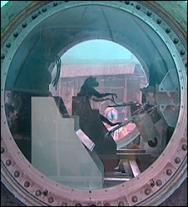
A monkey may be sent to Mars, under plans unveiled by Russian scientists.
Although the ape will be looked after by a robot on the mission, the decision is expected to spark controversy with animal rights groups.
The Russians first succeeded in putting monkeys into orbit in 1983.
"We have plans to return to space," said Zurab Mikvabia, director of the Institute of Experimental Pathology and Therapy in Georgia which supplied apes for the programme in the 1980s.
The Institute is in preliminary talks with Russia's Cosmonautics Academy about preparing monkeys for a simulated Mars mission that could lay the groundwork for sending an ape to the Red Planet, he said.
Such an initiative would build on Mars-500, a joint Russian-European project that saw six human volunteers confined in a capsule in Moscow for 120 days earlier this year to simulate a Mars mission.
Mr Mikvabia said: "Earlier this programme was aimed at sending cosmonauts, people (to Mars). ""But given the length of the flight to Mars, and given the cosmic rays for which we don't have adequate protection over such a long trip, discussions have focused recently on sending an ape instead of a person."
Estimates for the length of the journey to Mars vary depending on the type of mission envisioned, but the European Space Agency says its proposal for a round-trip mission would take 520 days, or about a year and a half.
If Russia pursues the idea of sending monkeys to Mars, Mikvabia's institute could become the site of an enclosed "biosphere" where apes would be kept for long periods to simulate space flights.
The Institute said a robot would accompany the first primate to Mars to feed and look after the ape.
Mr Mikvabia said: "The robot will feed the monkey, will clean up after it. Our task will be to teach the monkey to co-operate with the robot."
| |
|
|
|
|
|
|
|
Emotional Intelligence: FEAR is the path to the dark side
21/01/2010 04:55
Fear is the path to the dark side. Fear leads to anger, anger leads to hate, hate leads to suffering. — Yoda
Last week I did something that scared the hell out of me. I stood in front of nearly 200 financial planners and I talked to them about why financial blogs are a good thing.
I’m a confident writer. I’ve been doing this long enough that I know my strengths and my limitations. I’ve had enough feedback to understand that I’m an effective communicator — when I use the written word. I’m less confident as a speaker. I don’t have time to pause to formulate my thoughts. I’m not able to edit. I’m afraid of being trapped in a corner without being able to talk my way out. Basically, I’m scared to speak.
It would be easy to simply refuse the opportunities that come my way. When somebody asks me to speak in front of a group, I could say “no”. When radio and television stations call for an interview, I could say “no”. But for the past two years, I’ve been following my own policy to say “yes” to new opportunities (so long as they don’t violate my personal code of conduct).
To say “no” is to live in fear. My goal is to continually improve myself, to become better than I am today. One way to do that is to do the things that scare me, to take them on as challenges, and to learn from them — even if I fail.
The magic of thinking big
In mid-November, a local station asked me to appear on live television. “I realize it’s short notice,” the producer wrote, “but we’d love to have you on the show if you’re available tonight.”
It’s one thing to say that you want to overcome your fears, but it’s another thing to actually do it. Fear is real. When I was asked to appear on live television, I was frightened. I remembered my disastrous interview with a Seattle radio station in early 2007. I thought about recent taped television interviews that I had hated. I was afraid of what might happen.
But I also thought about the things that had gone right. I thought of how my speaking skills had improved over the past year. I thought about my enthusiasm for frugality and personal finance. And then I thought of the book I was a reading, a book that I had bought for $1.29 at the local thrift store.
The Magic of Thinking Big was a huge bestseller during the 1960s. Written by Dr. David Schwartz, a professor at Georgia State University, the book contains dozens of practical hints and tips (and many anecdotes) to illustrate the power of taking risks to achieve big goals. Schwartz argues that nobody will believe in you until you believe in yourself.
So when the television producer asked if I wanted to appear on his show, I thought big. “Sure,” I said. “I’ll do it.” I acted confident, but on the inside I was frightened. What I needed were techniques to boost my confidence and to overcome my fear.
Remember that those times when you feel that your ideas aren’t good enough, or people are putting down on your ideas, or you’re getting fired — that these are the same ideas that you’re going to be celebrated for 30 years later. You almost have to have courage. — Francis Ford Coppola, The Godfather DVD commentary track
How to build confidence and destroy fear
Without self-confidence, we have a tendency to make poor decisions. We make choices based on fear instead of what is best for us. If you lack confidence, you might fill your life with self-destructive behavior. You might work at a job you hate. You may allow yourself to get deep in debt. You may find yourself moving from one bad relationship to another. Without confidence, you don’t allow yourself to pursue your dreams.
In The Magic of Thinking Big, David Schwartz argues that all confidence isdeveloped. “No one is born with confidence,” he writes. “Those people you know who radiate confidence, who have conquered worry, who are at ease everywhere and all the time, acquired their confidence, every bit of it.”
Confidence is built slowly, one success at a time. I’ve learned that in order to overcome fear, I need to employ a variety of techniques. Here are a few that I’ve picked over the years, and which I’ve used to help myself get out of debt, and to develop the courage to speak before groups or to appear on live television:
· Don’t dwell on failures. Draw from the things you’ve done right. My talk last week was far from perfect. But if I dwell on the things I did wrong, I’ll psych myself out of future opportunities. I’ll be scared to say “yes” when somebody asks me to speak. Instead, I’m trying to focus on the things I did right so that I can emphasize them in future presentations.
· Rehearse a positive outcome. Before my live television appearance, I watched clips of similar interviews on the same show. (I’m not a regular television watcher, so this was new.) I arrived at the station early, so I sat in the car, closed my eyes, and imagined the interviewer asking me questions about the subject. I imagined joking with her. I imagined it as a positive experience.
· Do not procrastinate. Procrastination promotes fear. When you’re afraid, thinking is your enemy. Act. Do what you think is best, and do it quickly. The longer you take to act, the more time you have to talk yourself out of it, the longer you have to imagine the things that might go wrong. It’s not enough to hope. Take action.
Here is a psychological principle that is worth reading over 25 times. Read it until it absolutely saturates you: To think confidently, act confidently. — from The Magic of Thinking Big by David J. Schwartz
· To think confidently, act confidently. You’ve heard the phrase “fake it ’til you make it”. Research has shown that faking confidence actually leads to the real thing. If you’re in a situation where you’re not sure what to do, act like you know what to do. Act confident and you will become confident. (Note that this isn’t license to be a jerk. It’s not a license to lie.) Schwartz says that we can change our attitudes by changing our physical actions. He recommends five specific behaviors: sit in front, make eye contact, walk faster, speak up (offer your opinion), smile.
· Think like the other person. Remember that people are all the same. We each have the same fears and the same desires. Underneath, most folks are pretty nice. When you’re in an uncomfortable situation, put yourself in the other person’s shoes. While prepping for my talk last week, I used this technique to plan what I was going to say and how I was going to say it. I talked with a dozen financial planners to find out their concerns, and tried to address them in my talk. By doing this, I removed the fear that I wasn’t addressing their interests.
· Maintain a positive mental attitude. In Success Through a Positive Mental Attitude, the authors write: “When [a person] is wrapped in the warm, secure belief that he will do well, he is actually able to do better than he knows. His defenses are relaxed; his guard down; he is able to stop spending emotional energy protecting himself from the possible hurts of failure; instead he spends his energy reaching for the probably rewards of success…Confidence has had a measurable effect on him — it has brought out the best in him.”
· Get off your “but”. In Feeling Good: The New Mood Therapy, David D. Burns offers a variety of suggestions for building confidence and destroying fear. One of these is to learn to defeat a case of the “buts”. Schwartz calls this excusitis, the “disease of failures”. Burns says that the best way to deal with excuses is to argue with yourself. Every time you say, “I’d like to save money, but…”, come up with a rebuttal to counter the argument. Keep going, fighting every excuse you make.
· Visualize success. In Feeling Good, David Burns also encourages readers to visualize success: “A powerful self-motivation method involves making a list of the advantages of a productive action you’ve been avoiding because it requires more self-discipline than you’ve been able to muster. Such a list will train you to look at the positive consequences of doing it.” For example, if you’ve been holding back asking for a raise, make a list of only the positive possible outcomes. Once you’ve made the list, fantasize about your life after receiving the raise. Focus on the positive outcome that success will bring you.
· Look sharp. A lot of us experience poor self-esteem because we don’t like the way we look. But we exacerbate the problem when we dress sloppily or are not well-groomed. I’m not pointing any fingers. My friends and family can readily attest that I’m one of the worst culprits. I’m often unshaven, dressed in sweats, slouched at my desk. Why? I lack self-confidence. But when I have an important meeting, the simple act of putting on nice slacks, a dress shirt, and a tie can change my mindset entirely. Take care of yourself.
· Do the right thing. if you do the right thing, and you do it well, what do you care what other people think? Successful people will always have critics. Learn from the critics or to ignore them, but don’t let them bring you down. Do the right thing, and confidently own the consequences.
I must not fear. Fear is the mind-killer. Fear is the little-death that brings total obliteration. I will face my fear. I will permit it to pass over me and through me. And when it has gone past I will turn the inner eye to see its path. Where the fear has gone there will be nothing. Only I will remain. — from Dune by Frank Herbert
· Keep things in perspective. I know a woman who is paralyzed by what other people might think of her. She’s always on pins and needles, waiting for some cutting remark. Even small things in innocuous conversations become huge things in her mind, rebukes for imagined transgressions. This sort of thing saps any chance at self-confidence.
· Don’t seek perfection. Remember that the perfect is the enemy of the good. This is a huge problem in my own life. Somewhere along the way, I’ve become a perfectionist. I only want others to see me at my very best, whether it’s on the blog, on television, or even on Twitter. But this perfectionism takes work, and it saps my confidence. Do you know anyone who has ever been perfect? Me neither. Do your best and let go.
· Read the success literature. Research others who have succeeded. Self-help manuals get a bum rap, and many of them deserve it. But not all of them. There are many fantastic books out there that offer advice on how to improve your life. Read them. Learn from the experience of others. (I’ve found 50 Success Classics to be a powerful motivator [my review].)
· Don’t compare yourself to others. Be yourself. I’ll tell you a secret. There are a lot of personal finance blogs out there. I don’t get to read them as often as I used to, but I do try to make the rounds once every week. Sometimes when I do this, I feel like giving up. I feel like quitting. I lose confidence. “I can’t write that well,” I think. “I can’t cover retirement investing as well as Jim did.” Comparing myself to others is counter-productive. It only makes me feel inadequate. Who cares what other people write, or how well? What’s important is simply producing the best work I can. All I can be is myself.
The techniques I’ve listed are effective, but here’s the thing: No list you find on the internet is going to magically make you more confident. No list is going to grant you instant CSS skills, or give you extra money, or make you a better writer. In order for these techniques to be effective, you have toact on them. You have to pick one or two and practice them. Then move on to another pair and practice those.
It’s important to put these tips into action. Do something, if only for ten minutes a day. Tell yourself that you’ll move toward your goals for ten minutes a day. If you don’t succeed, do it again. Keep going until you do succeed. Never give up.
You gain strength, courage, and confidence by every experience in which you really stop to look fear in the face…You must do the thing you think you cannot do. — Eleanor Roosevelt
Further reading
I’ve barely scratched the surface of what it takes to develop self-confidence. If you, too, have struggled with this, I encourage you to borrow one of the following books from your public library. (These are the books mentioned in this article.)
· The Magic of Thinking Big by David J. Schwartz
· Feeling Good: The New Mood Therapy by David D. Burns, M.D.
· How to Stop Worrying and Start Living by Dale Carnegie
· Success Through a Positive Mental Attitude by Napoleon Hill and W. Clement Stone
If you simply want to find more web reading related to this topic, check out the following:
· Zen Habits: Conquer the fears lurking in the dark corners of your mind
· Get Rich Slowly: The power of “yes”: A simple way to get more out of life
· The Simple Dollar: Investing in yourself: Self-confidence
· Soul Shelter: The magic of thinking big
The Magic of Thinking Big — the book that inspired this post — is outstanding. It’s sold millions of copies in the fifty years since it was published, and no wonder. On the surface it may seem like touchy-feely feelgood stuff, but deep down, it’s built on strong psychological principles. Here’s Tom Butler-Bowdon’s summary of the book.
Moving forward
Tonight I will speak to a group of graduating seniors at Western Oregon University. I’ll talk to them about debt and money management, and about pursuing their dreams.
When I gave this same talk last year, I was nervous. I was afraid. I was worried that I’d do poorly. Even after I’d finished, I thought it hadn’t gone well, so I was surprised to learn that the group had given me high marks.
There’s no guarantee that tonight’s talk will be a success, of course, but I know one thing: I’m much more confident going into it than I was last year. I know that I’ve done this before. I know that last week I spoke before 200 financial planners. I have positive experience to draw from.
By facing my fears head-on, by taking action, I really have been able to build confidence and to destroy fear.
If one advances confidently in the direction of his dreams, and endeavors to live the life which he has imagined, he will meet with a success unexpected in common hours. — from Walden by Henry David Thoreau
| |
|
|
|
|
|
|
|
The ISS: a flying city in the sky
12/01/2010 05:30
If you watch the sky about an hour after the sun goes down, you may see some "moving stars". But they’re not really stars. They’re satellites. And the biggest of all is the International Space Station.
From May until July this year was the best season to watch the ISS flying over the Earth. And people can see it with just their eyes. The ISS is the biggest satellite because scientists want to live on it. They think that the best way to learn more about space is to live there.
When the space station is finished, it will be like a city in space. People will stay and study there with many of the things they have at home. Laboratories, living rooms and power stations are being built. The ISS is the most ambitious and expensive space programme ever. Billions of dollars are being spent on it every year.
Scientists hope that the ISS will be a stepping stone for future space exploration. "The ISS will help us better understand the human body, explore space and study the Earth. It can help us make life on Earth better," said Kathryn Clark, an ISS scientist.
Sixteen countries are part of the programme: the US, Russia, Canada, Japan, Brazil and 11 European countries. China is not an ISS country, but it has helped with some of the experiments. In 2003, China sent some rice up to the ISS to find out what space would do to it.
The ISS is not finished yet. More than 100 parts must still be put on. Scientists hope it will be finished by 2006.
After it’s finished, more than 90 percent of the world’s population will be able to see the Space Station. So keep looking up, and maybe you’ll see it get bigger.
| |
|
|
|
|
|
|
|
Healthier weight
11/01/2010 05:25
Fewer vegetarians than meat-eaters are overweight. That doesn't mean avoiding meat is the key to weight control, though. With or without meat, filling up on fruits and vegetables instead of sweets, high-fat snack foods, high-sugar drinks and alcohol make weight control easier.
One of the major heart-related benefits of vegetarian eating is probably the low level of cholesterol-raising saturated fat in these diets, but this doesn't mean completely omitting meat from the diet is necessary for good health. Foods like fish, skinless poultry and even lean red meats don't add much saturated fat, as long as portions are kept moderate.
Cholesterol-raising trans fat is another issue to consider. A “vegetarian” diet rich in deep-fried or high-fat foods is far from healthful.
Some studies have linked red meat to a greater risk of colon cancer, but a new report in the European Journal of Clinical Nutrition questions such a link. Even if cancer or heart disease is related to processed meats and sausages, high-fat meats and those cooked at high-temperatures (which form carcinogens), that doesn’t necessarily mean all meat, fish and poultry pose a risk.
AICR claims that vegetarian eating may reduce the risk of some cancers, but emphasizes that any beneficial effects of a vegetarian diet may also be gained from one that limits meat and other animal products, and emphasizes an abundance of a variety of vegetables, fruits, whole grains and beans. The same conclusion probably applies to heart-related and other health benefits of vegetarian eating. It’s not just what you avoid, it’s what you eat that counts.
| |
|
|
|
|
|
|
|
Feel Blue? Go Green!
11/01/2010 05:12

Could house plants transform you into the ideal employee? At a conference in Amsterdam this weekend, organized by the Plants for People group, scientists will show how plants in offices could be the key to lowering stress and its related health problems at work. The results of studies indicate that house plants not only improve air quality but can boost productivity and reduce the amount of sick leave taken by staff.
When Professor Virginia Lohr, of Washington State University, asked two groups of students, both working in windowless offices, to complete computer-based tests, she found that reaction time was 12 per cent faster and stress levels much lower among those who had plants on their desks.
Similar results were recorded by Helen Russell, an environmental scientist at the University of Surrey, who asked subjects to perform mental arithmetic exercises while being distracted by irritating noises as she measured changes in their heart rate and blood pressure. Again, when plants were introduced, indicators of stress were far lower. Both researchers agree that the air purifying action of plants helped to create a more relaxed environment; in Russell’s study, plants led eventually to a 60 per cent fall in absenteeism from work.
Placing plants in poorly ventilated rooms has long been known to improve air quality and humidity. But it is now thought that the ability of plants to reduce levels of volatile organic chemicals emitted from man-made materials used in products such as paints, carpets, furniture and glue has a direct influence on stress and health at work.
The average office provides an air-borne cocktail of compounds from dry cleaning chemicals, shampoos, soaps and deodorants adding to the VOCs. “Almost everyone carries VOCs on them,” says Dr Ronald Wood, of Sydney University of Technology. “When chemical emissions are multiplied by the number of people in any place, the exposure to risks is phenomenal. VOCs are believed to be a major cause of headaches, stress, lethargy, sore eyes and respiratory problems. Plants metabolise pollutants; they literally clean the air we breathe.”
Other studies have shown impressive results. Professor Tove Fjeld, of the University of Agriculture in Oslo, questioned Norwegian pupils and office workers about their working conditions and state of mind. He found that the presence of house plants increased concentration levels by 33 per cent, reduced headaches by 45 per cent and resulted in 31 per cent fewer complaints about dry throats and coughs. Almost 33 per cent of people were less tired, and colds and runny noses dropped by 11 per cent.
“The roots of plants break down chemicals that have been absorbed through the soil or leaves and turn them into food for the plants. We found that this lowered VOCs by a third,” Fjeld says. “A similar process helps plants to control humidity, helping to prevent coughs and sore throats.”
In America and Australia many companies, persuaded by Wood's research, insist on installing plants to improve indoor air. "A 1 per cent loss in productivity by employees who are dissatisfied with work conditions equates to almost four times the average cost of heating or air-conditioning the entire building. That could be prevented with the use of plants," he says. Could house plants transform you into the ideal employee? At a conference in Amsterdam this weekend, organized by the Plants for People group, scientists will show how plants in offices could be the key to lowering stress and its related health problems at work. The results of studies indicate that house plants not only improve air quality but can boost productivity and reduce the amount of sick leave taken by staff.
When Professor Virginia Lohr, of Washington State University, asked two groups of students, both working in windowless offices, to complete computer-based tests, she found that reaction time was 12 per cent faster and stress levels much lower among those who had plants on their desks.
Similar results were recorded by Helen Russell, an environmental scientist at the University of Surrey, who asked subjects to perform mental arithmetic exercises while being distracted by irritating noises as she measured changes in their heart rate and blood pressure. Again, when plants were introduced, indicators of stress were far lower. Both researchers agree that the air purifying action of plants helped to create a more relaxed environment; in Russell’s study, plants led eventually to a 60 per cent fall in absenteeism from work.
Placing plants in poorly ventilated rooms has long been known to improve air quality and humidity. But it is now thought that the ability of plants to reduce levels of volatile organic chemicals emitted from man-made materials used in products such as paints, carpets, furniture and glue has a direct influence on stress and health at work.
The average office provides an air-borne cocktail of compounds from dry cleaning chemicals, shampoos, soaps and deodorants adding to the VOCs. “Almost everyone carries VOCs on them,” says Dr Ronald Wood, of Sydney University of Technology. “When chemical emissions are multiplied by the number of people in any place, the exposure to risks is phenomenal. VOCs are believed to be a major cause of headaches, stress, lethargy, sore eyes and respiratory problems. Plants metabolise pollutants; they literally clean the air we breathe.”
Other studies have shown impressive results. Professor Tove Fjeld, of the University of Agriculture in Oslo, questioned Norwegian pupils and office workers about their working conditions and state of mind. He found that the presence of house plants increased concentration levels by 33 per cent, reduced headaches by 45 per cent and resulted in 31 per cent fewer complaints about dry throats and coughs. Almost 33 per cent of people were less tired, and colds and runny noses dropped by 11 per cent.
“The roots of plants break down chemicals that have been absorbed through the soil or leaves and turn them into food for the plants. We found that this lowered VOCs by a third,” Fjeld says. “A similar process helps plants to control humidity, helping to prevent coughs and sore throats.”
In America and Australia many companies, persuaded by Wood's research, insist on installing plants to improve indoor air. "A 1 per cent loss in productivity by employees who are dissatisfied with work conditions equates to almost four times the average cost of heating or air-conditioning the entire building. That could be prevented with the use of plants," he says. Could house plants transform you into the ideal employee? At a conference in Amsterdam this weekend, organized by the Plants for People group, scientists will show how plants in offices could be the key to lowering stress and its related health problems at work. The results of studies indicate that house plants not only improve air quality but can boost productivity and reduce the amount of sick leave taken by staff.
When Professor Virginia Lohr, of Washington State University, asked two groups of students, both working in windowless offices, to complete computer-based tests, she found that reaction time was 12 per cent faster and stress levels much lower among those who had plants on their desks.
Similar results were recorded by Helen Russell, an environmental scientist at the University of Surrey, who asked subjects to perform mental arithmetic exercises while being distracted by irritating noises as she measured changes in their heart rate and blood pressure. Again, when plants were introduced, indicators of stress were far lower. Both researchers agree that the air purifying action of plants helped to create a more relaxed environment; in Russell’s study, plants led eventually to a 60 per cent fall in absenteeism from work.
Placing plants in poorly ventilated rooms has long been known to improve air quality and humidity. But it is now thought that the ability of plants to reduce levels of volatile organic chemicals emitted from man-made materials used in products such as paints, carpets, furniture and glue has a direct influence on stress and health at work.
The average office provides an air-borne cocktail of compounds from dry cleaning chemicals, shampoos, soaps and deodorants adding to the VOCs. “Almost everyone carries VOCs on them,” says Dr Ronald Wood, of Sydney University of Technology. “When chemical emissions are multiplied by the number of people in any place, the exposure to risks is phenomenal. VOCs are believed to be a major cause of headaches, stress, lethargy, sore eyes and respiratory problems. Plants metabolise pollutants; they literally clean the air we breathe.”
Other studies have shown impressive results. Professor Tove Fjeld, of the University of Agriculture in Oslo, questioned Norwegian pupils and office workers about their working conditions and state of mind. He found that the presence of house plants increased concentration levels by 33 per cent, reduced headaches by 45 per cent and resulted in 31 per cent fewer complaints about dry throats and coughs. Almost 33 per cent of people were less tired, and colds and runny noses dropped by 11 per cent.
“The roots of plants break down chemicals that have been absorbed through the soil or leaves and turn them into food for the plants. We found that this lowered VOCs by a third,” Fjeld says. “A similar process helps plants to control humidity, helping to prevent coughs and sore throats.”
In America and Australia many companies, persuaded by Wood's research, insist on installing plants to improve indoor air. "A 1 per cent loss in productivity by employees who are dissatisfied with work conditions equates to almost four times the average cost of heating or air-conditioning the entire building. That could be prevented with the use of plants," he says. Could house plants transform you into the ideal employee? At a conference in Amsterdam this weekend, organized by the Plants for People group, scientists will show how plants in offices could be the key to lowering stress and its related health problems at work. The results of studies indicate that house plants not only improve air quality but can boost productivity and reduce the amount of sick leave taken by staff.
When Professor Virginia Lohr, of Washington State University, asked two groups of students, both working in windowless offices, to complete computer-based tests, she found that reaction time was 12 per cent faster and stress levels much lower among those who had plants on their desks.
Similar results were recorded by Helen Russell, an environmental scientist at the University of Surrey, who asked subjects to perform mental arithmetic exercises while being distracted by irritating noises as she measured changes in their heart rate and blood pressure. Again, when plants were introduced, indicators of stress were far lower. Both researchers agree that the air purifying action of plants helped to create a more relaxed environment; in Russell’s study, plants led eventually to a 60 per cent fall in absenteeism from work.
Placing plants in poorly ventilated rooms has long been known to improve air quality and humidity. But it is now thought that the ability of plants to reduce levels of volatile organic chemicals emitted from man-made materials used in products such as paints, carpets, furniture and glue has a direct influence on stress and health at work.
The average office provides an air-borne cocktail of compounds from dry cleaning chemicals, shampoos, soaps and deodorants adding to the VOCs. “Almost everyone carries VOCs on them,” says Dr Ronald Wood, of Sydney University of Technology. “When chemical emissions are multiplied by the number of people in any place, the exposure to risks is phenomenal. VOCs are believed to be a major cause of headaches, stress, lethargy, sore eyes and respiratory problems. Plants metabolise pollutants; they literally clean the air we breathe.”
Other studies have shown impressive results. Professor Tove Fjeld, of the University of Agriculture in Oslo, questioned Norwegian pupils and office workers about their working conditions and state of mind. He found that the presence of house plants increased concentration levels by 33 per cent, reduced headaches by 45 per cent and resulted in 31 per cent fewer complaints about dry throats and coughs. Almost 33 per cent of people were less tired, and colds and runny noses dropped by 11 per cent.
“The roots of plants break down chemicals that have been absorbed through the soil or leaves and turn them into food for the plants. We found that this lowered VOCs by a third,” Fjeld says. “A similar process helps plants to control humidity, helping to prevent coughs and sore throats.”
In America and Australia many companies, persuaded by Wood's research, insist on installing plants to improve indoor air. "A 1 per cent loss in productivity by employees who are dissatisfied with work conditions equates to almost four times the average cost of heating or air-conditioning the entire building. That could be prevented with the use of plants," he says. Could house plants transform you into the ideal employee? At a conference in Amsterdam this weekend, organized by the Plants for People group, scientists will show how plants in offices could be the key to lowering stress and its related health problems at work. The results of studies indicate that house plants not only improve air quality but can boost productivity and reduce the amount of sick leave taken by staff.
When Professor Virginia Lohr, of Washington State University, asked two groups of students, both working in windowless offices, to complete computer-based tests, she found that reaction time was 12 per cent faster and stress levels much lower among those who had plants on their desks.
Similar results were recorded by Helen Russell, an environmental scientist at the University of Surrey, who asked subjects to perform mental arithmetic exercises while being distracted by irritating noises as she measured changes in their heart rate and blood pressure. Again, when plants were introduced, indicators of stress were far lower. Both researchers agree that the air purifying action of plants helped to create a more relaxed environment; in Russell’s study, plants led eventually to a 60 per cent fall in absenteeism from work.
Placing plants in poorly ventilated rooms has long been known to improve air quality and humidity. But it is now thought that the ability of plants to reduce levels of volatile organic chemicals emitted from man-made materials used in products such as paints, carpets, furniture and glue has a direct influence on stress and health at work.
The average office provides an air-borne cocktail of compounds from dry cleaning chemicals, shampoos, soaps and deodorants adding to the VOCs. “Almost everyone carries VOCs on them,” says Dr Ronald Wood, of Sydney University of Technology. “When chemical emissions are multiplied by the number of people in any place, the exposure to risks is phenomenal. VOCs are believed to be a major cause of headaches, stress, lethargy, sore eyes and respiratory problems. Plants metabolise pollutants; they literally clean the air we breathe.”
Other studies have shown impressive results. Professor Tove Fjeld, of the University of Agriculture in Oslo, questioned Norwegian pupils and office workers about their working conditions and state of mind. He found that the presence of house plants increased concentration levels by 33 per cent, reduced headaches by 45 per cent and resulted in 31 per cent fewer complaints about dry throats and coughs. Almost 33 per cent of people were less tired, and colds and runny noses dropped by 11 per cent.
“The roots of plants break down chemicals that have been absorbed through the soil or leaves and turn them into food for the plants. We found that this lowered VOCs by a third,” Fjeld says. “A similar process helps plants to control humidity, helping to prevent coughs and sore throats.”
In America and Australia many companies, persuaded by Wood's research, insist on installing plants to improve indoor air. "A 1 per cent loss in productivity by employees who are dissatisfied with work conditions equates to almost four times the average cost of heating or air-conditioning the entire building. That could be prevented with the use of plants," he says. Could house plants transform you into the ideal employee? At a conference in Amsterdam this weekend, organized by the Plants for People group, scientists will show how plants in offices could be the key to lowering stress and its related health problems at work. The results of studies indicate that house plants not only improve air quality but can boost productivity and reduce the amount of sick leave taken by staff.
When Professor Virginia Lohr, of Washington State University, asked two groups of students, both working in windowless offices, to complete computer-based tests, she found that reaction time was 12 per cent faster and stress levels much lower among those who had plants on their desks.
Similar results were recorded by Helen Russell, an environmental scientist at the University of Surrey, who asked subjects to perform mental arithmetic exercises while being distracted by irritating noises as she measured changes in their heart rate and blood pressure. Again, when plants were introduced, indicators of stress were far lower. Both researchers agree that the air purifying action of plants helped to create a more relaxed environment; in Russell’s study, plants led eventually to a 60 per cent fall in absenteeism from work.
Placing plants in poorly ventilated rooms has long been known to improve air quality and humidity. But it is now thought that the ability of plants to reduce levels of volatile organic chemicals emitted from man-made materials used in products such as paints, carpets, furniture and glue has a direct influence on stress and health at work.
The average office provides an air-borne cocktail of compounds from dry cleaning chemicals, shampoos, soaps and deodorants adding to the VOCs. “Almost everyone carries VOCs on them,” says Dr Ronald Wood, of Sydney University of Technology. “When chemical emissions are multiplied by the number of people in any place, the exposure to risks is phenomenal. VOCs are believed to be a major cause of headaches, stress, lethargy, sore eyes and respiratory problems. Plants metabolise pollutants; they literally clean the air we breathe.”
Other studies have shown impressive results. Professor Tove Fjeld, of the University of Agriculture in Oslo, questioned Norwegian pupils and office workers about their working conditions and state of mind. He found that the presence of house plants increased concentration levels by 33 per cent, reduced headaches by 45 per cent and resulted in 31 per cent fewer complaints about dry throats and coughs. Almost 33 per cent of people were less tired, and colds and runny noses dropped by 11 per cent.
“The roots of plants break down chemicals that have been absorbed through the soil or leaves and turn them into food for the plants. We found that this lowered VOCs by a third,” Fjeld says. “A similar process helps plants to control humidity, helping to prevent coughs and sore throats.”
In America and Australia many companies, persuaded by Wood's research, insist on installing plants to improve indoor air. "A 1 per cent loss in productivity by employees who are dissatisfied with work conditions equates to almost four times the average cost of heating or air-conditioning the entire building. That could be prevented with the use of plants," he says. Could house plants transform you into the ideal employee? At a conference in Amsterdam this weekend, organized by the Plants for People group, scientists will show how plants in offices could be the key to lowering stress and its related health problems at work. The results of studies indicate that house plants not only improve air quality but can boost productivity and reduce the amount of sick leave taken by staff.
When Professor Virginia Lohr, of Washington State University, asked two groups of students, both working in windowless offices, to complete computer-based tests, she found that reaction time was 12 per cent faster and stress levels much lower among those who had plants on their desks.
Similar results were recorded by Helen Russell, an environmental scientist at the University of Surrey, who asked subjects to perform mental arithmetic exercises while being distracted by irritating noises as she measured changes in their heart rate and blood pressure. Again, when plants were introduced, indicators of stress were far lower. Both researchers agree that the air purifying action of plants helped to create a more relaxed environment; in Russell’s study, plants led eventually to a 60 per cent fall in absenteeism from work.
Placing plants in poorly ventilated rooms has long been known to improve air quality and humidity. But it is now thought that the ability of plants to reduce levels of volatile organic chemicals emitted from man-made materials used in products such as paints, carpets, furniture and glue has a direct influence on stress and health at work.
The average office provides an air-borne cocktail of compounds from dry cleaning chemicals, shampoos, soaps and deodorants adding to the VOCs. “Almost everyone carries VOCs on them,” says Dr Ronald Wood, of Sydney University of Technology. “When chemical emissions are multiplied by the number of people in any place, the exposure to risks is phenomenal. VOCs are believed to be a major cause of headaches, stress, lethargy, sore eyes and respiratory problems. Plants metabolise pollutants; they literally clean the air we breathe.”
Other studies have shown impressive results. Professor Tove Fjeld, of the University of Agriculture in Oslo, questioned Norwegian pupils and office workers about their working conditions and state of mind. He found that the presence of house plants increased concentration levels by 33 per cent, reduced headaches by 45 per cent and resulted in 31 per cent fewer complaints about dry throats and coughs. Almost 33 per cent of people were less tired, and colds and runny noses dropped by 11 per cent.
“The roots of plants break down chemicals that have been absorbed through the soil or leaves and turn them into food for the plants. We found that this lowered VOCs by a third,” Fjeld says. “A similar process helps plants to control humidity, helping to prevent coughs and sore throats.”
In America and Australia many companies, persuaded by Wood's research, insist on installing plants to improve indoor air. "A 1 per cent loss in productivity by employees who are dissatisfied with work conditions equates to almost four times the average cost of heating or air-conditioning the entire building. That could be prevented with the use of plants," he says. Could house plants transform you into the ideal employee? At a conference in Amsterdam this weekend, organized by the Plants for People group, scientists will show how plants in offices could be the key to lowering stress and its related health problems at work. The results of studies indicate that house plants not only improve air quality but can boost productivity and reduce the amount of sick leave taken by staff.
¡¡¡¡
When Professor Virginia Lohr, of Washington State University, asked two groups of students, both working in windowless offices, to complete computer-based tests, she found that reaction time was 12 per cent faster and stress levels much lower among those who had plants on their desks.
¡¡¡¡
Similar results were recorded by Helen Russell, an environmental scientist at the University of Surrey, who asked subjects to perform mental arithmetic exercises while being distracted by irritating noises as she measured changes in their heart rate and blood pressure. Again, when plants were introduced, indicators of stress were far lower. Both researchers agree that the air purifying action of plants helped to create a more relaxed environment; in Russell’s study, plants led eventually to a 60 per cent fall in absenteeism from work.
¡¡¡¡Placing plants in poorly ventilated rooms has long been known to improve air quality and humidity. But it is now thought that the ability of plants to reduce levels of volatile organic chemicals emitted from man-made materials used in products such as paints, carpets, furniture and glue has a direct influence on stress and health at work.
¡¡¡¡
The average office provides an air-borne cocktail of compounds from dry cleaning chemicals, shampoos, soaps and deodorants adding to the VOCs. “Almost everyone carries VOCs on them,” says Dr Ronald Wood, of Sydney University of Technology. “When chemical emissions are multiplied by the number of people in any place, the exposure to risks is phenomenal. VOCs are believed to be a major cause of headaches, stress, lethargy, sore eyes and respiratory problems. Plants metabolise pollutants; they literally clean the air we breathe.”
¡¡¡¡
Other studies have shown impressive results. Professor Tove Fjeld, of the University of Agriculture in Oslo, questioned Norwegian pupils and office workers about their working conditions and state of mind. He found that the presence of house plants increased concentration levels by 33 per cent, reduced headaches by 45 per cent and resulted in 31 per cent fewer complaints about dry throats and coughs. Almost 33 per cent of people were less tired, and colds and runny noses dropped by 11 per cent.
¡¡¡¡
“The roots of plants break down chemicals that have been absorbed through the soil or leaves and turn them into food for the plants. We found that this lowered VOCs by a third,” Fjeld says. “A similar process helps plants to control humidity, helping to prevent coughs and sore throats.”
¡¡¡¡
In America and Australia many companies, persuaded by Wood's research, insist on installing plants to improve indoor air. "A 1 per cent loss in productivity by employees who are dissatisfied with work conditions equates to almost four times the average cost of heating or air-conditioning the entire building. That could be prevented with the use of plants," he says.
| |
|
|
|
|